
 Florencia Baldini Last Updated on September 28, 2025
*This post may contain affiliate links. If you buy through these links, I may earn a small commission at no extra cost to you.
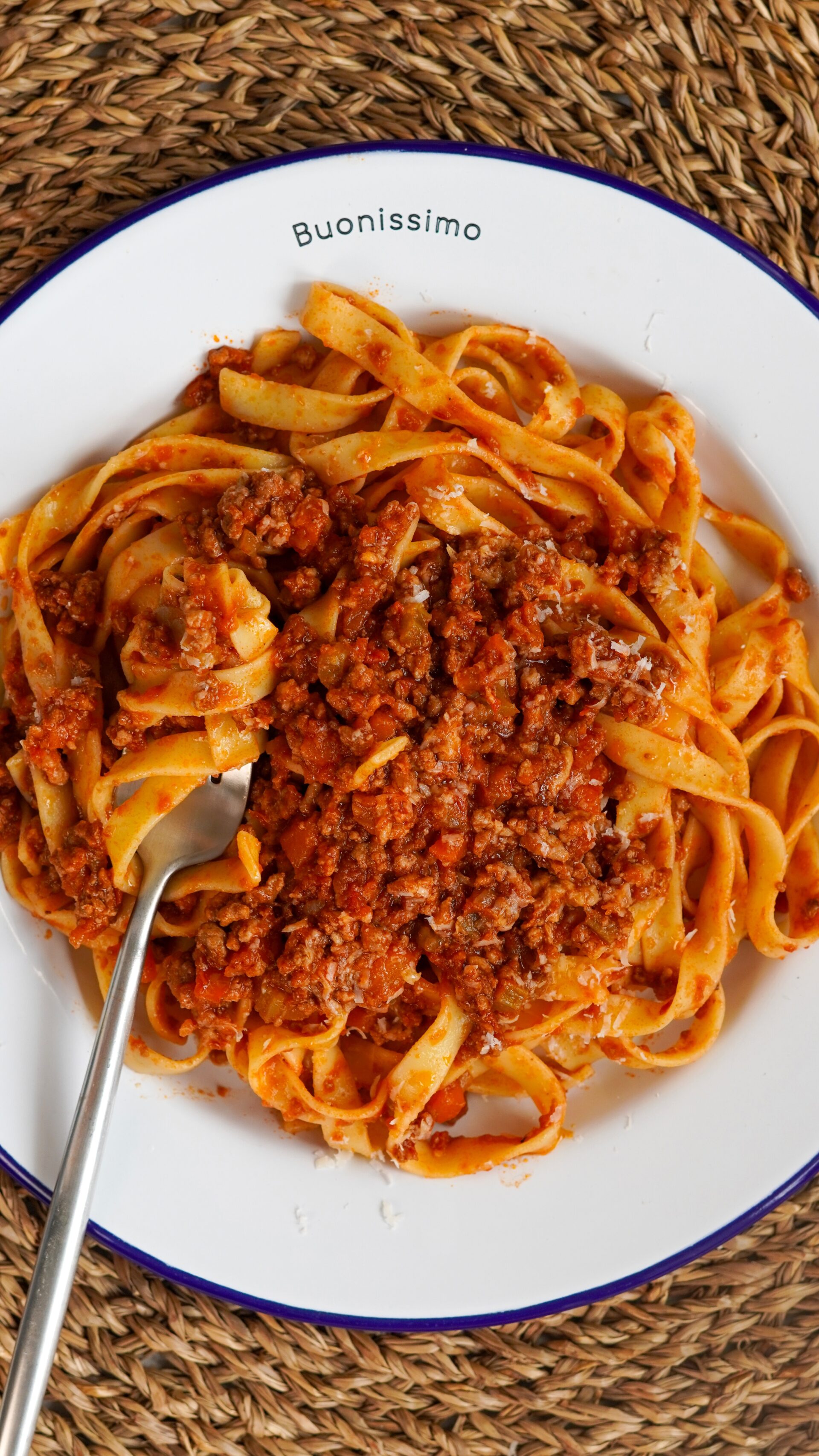
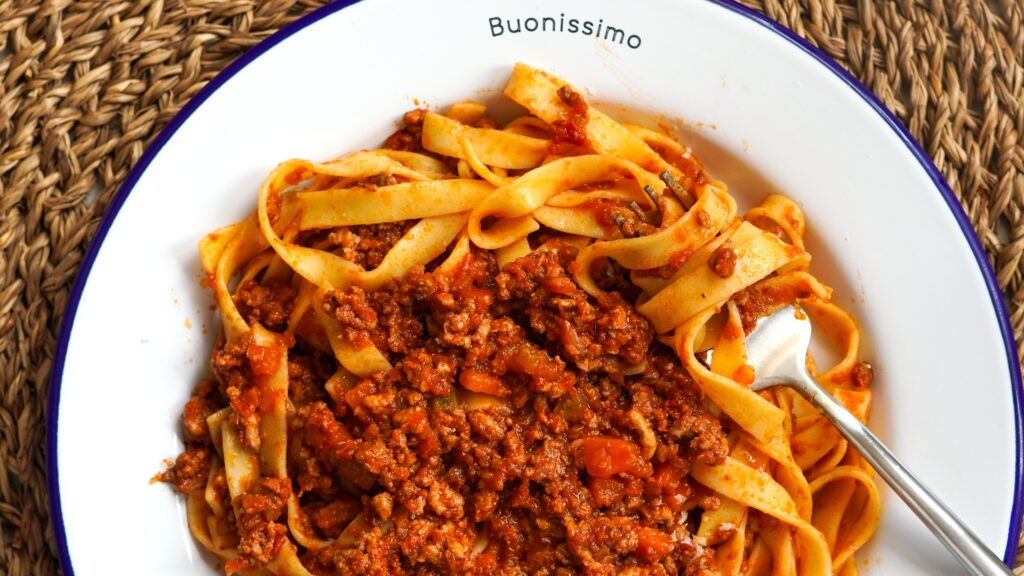
If you’ve ever wanted to make a true authentic Bolognese ragù, this is the recipe. I grew up in Emilia-Romagna, the Italian region where ragù “alla Bolognese” was born, and for me it’s pure comfort food.
It’s not the kind of sauce you rush — ragù needs time to bubble away slowly — but that’s exactly what makes it so special. Simple, wholesome ingredients melt together into a rich, velvety sauce that’s perfect for a cosy Sunday lunch or a big batch to freeze for later.
I love cooking a big pot on the weekend, letting the flavours deepen while the house fills with that amazing aroma. It’s the kind of recipe that brings people together around the table, which is exactly what Italian food is all about. And here’s a tip from back home: ragù is always served with tagliatelle, never spaghetti — that’s the authentic way to enjoy it.
What is ‘Bolognese ragù’?
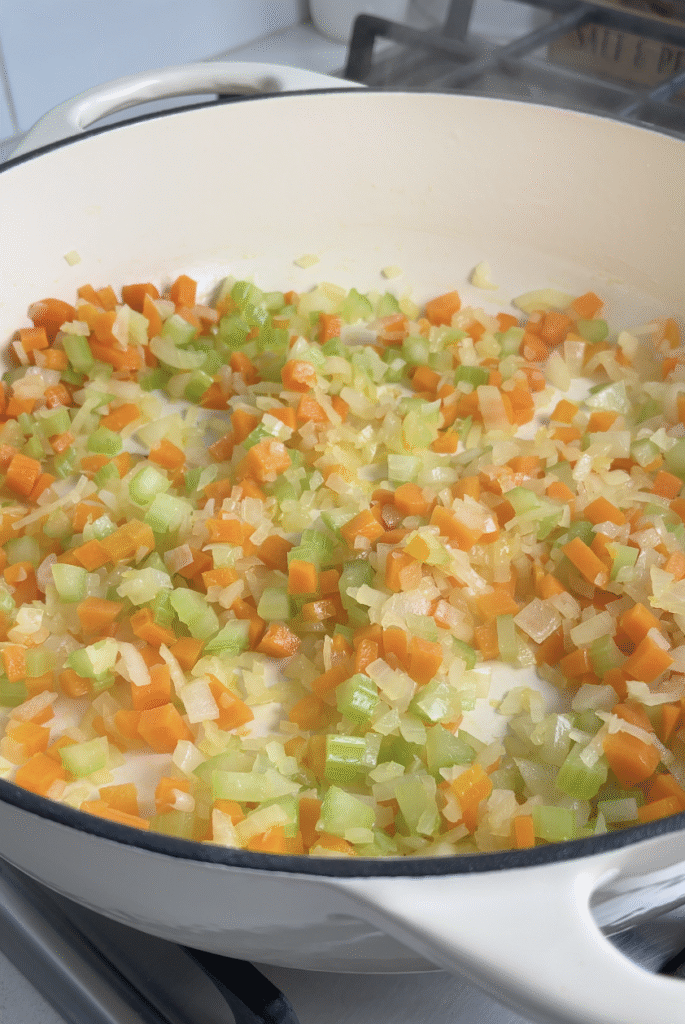
Bolognese ragù (or Ragù alla Bolognese) is a slow-cooked Italian meat sauce that originates from Bologna, in the Emilia-Romagna region of northern Italy. It’s rich, savoury, and deeply comforting—a true cornerstone of Italian cuisine. Bolognese is a meat-based sauce made with finely chopped onion, carrot, and celery (the Italian soffritto), gently sautéed in olive oil and paired with tagliatelle, not spaghetti.
Fun fact: In 1982, the Accademia Italiana della Cucina officially registered the traditional recipe with Bologna’s Chamber of Commerce to preserve its authenticity. Yes, Italians really did write an official document to protect the original Bolognese recipe—that’s how serious we are about food! But like many Italian classics, there are as many versions as there are families. The recipe I’m sharing today doesn’t follow the official one to the letter—it’s the version I grew up with, the one made in real home kitchens by parents, nonne, and friends. It’s the one that tastes like childhood, comfort, Sunday lunches and local village fair with my family and friends.
Sharing My Bolognese Ragù LIVE at Harrods
Not many of you know this, but back in March I was lucky enough to be invited to cook live at the prestigious Harrods in London. It was such a special milestone in my journey, and I’ll always be grateful to the amazing team at Scanpan* (a brilliant Danish brand that makes high-quality non-stick cookware, and whose pans I use every day in my kitchen) for making it possible.
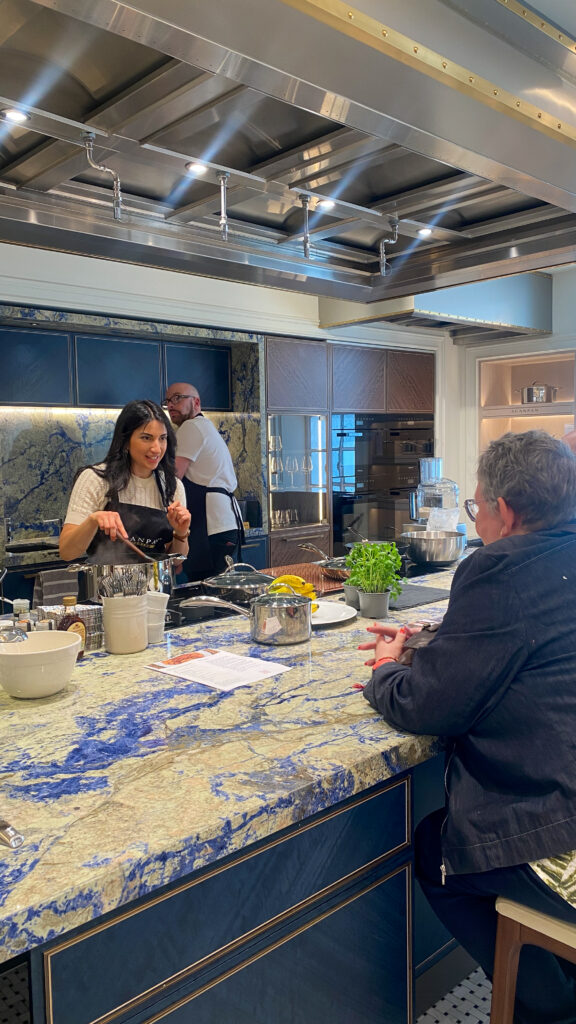
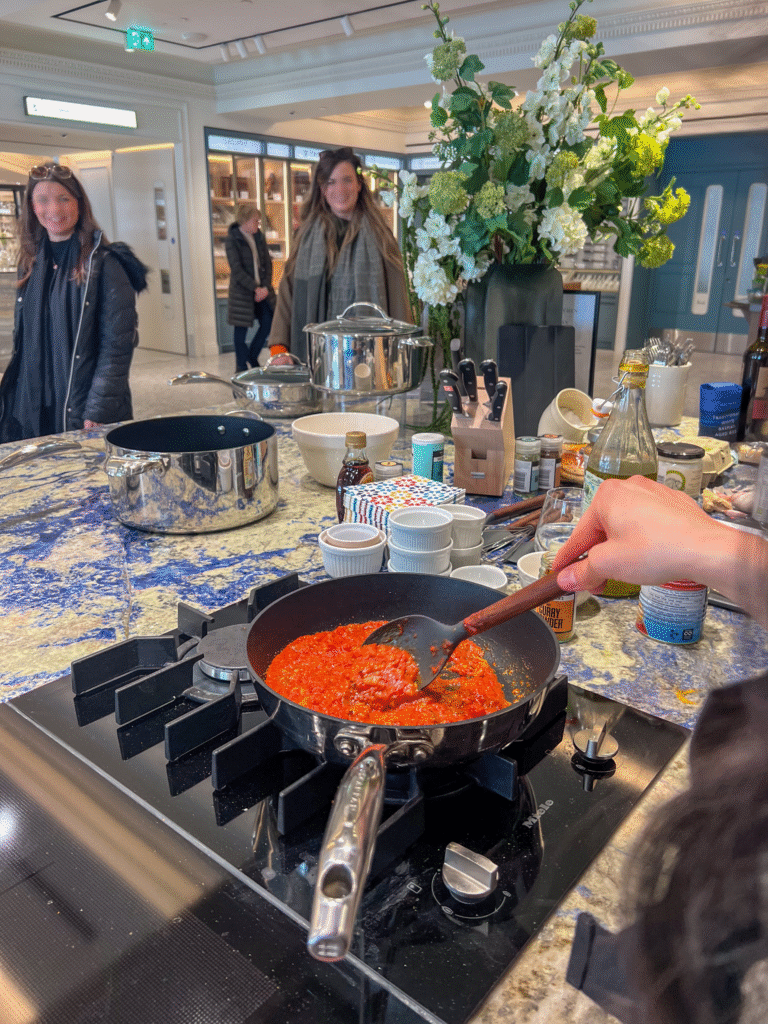



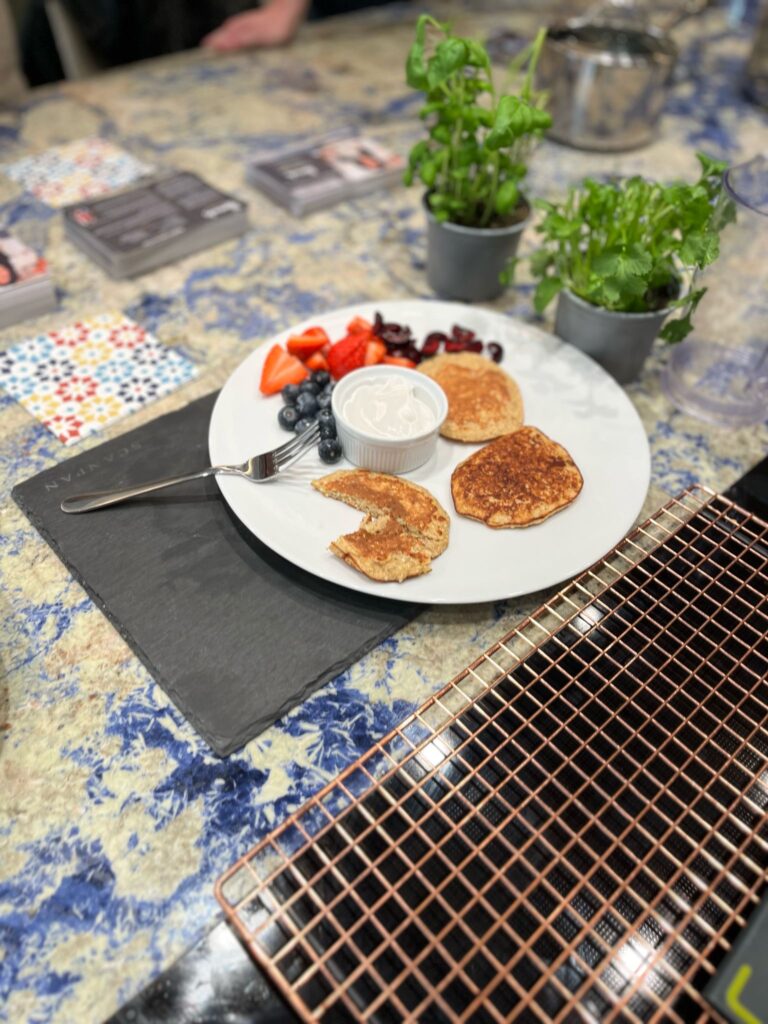
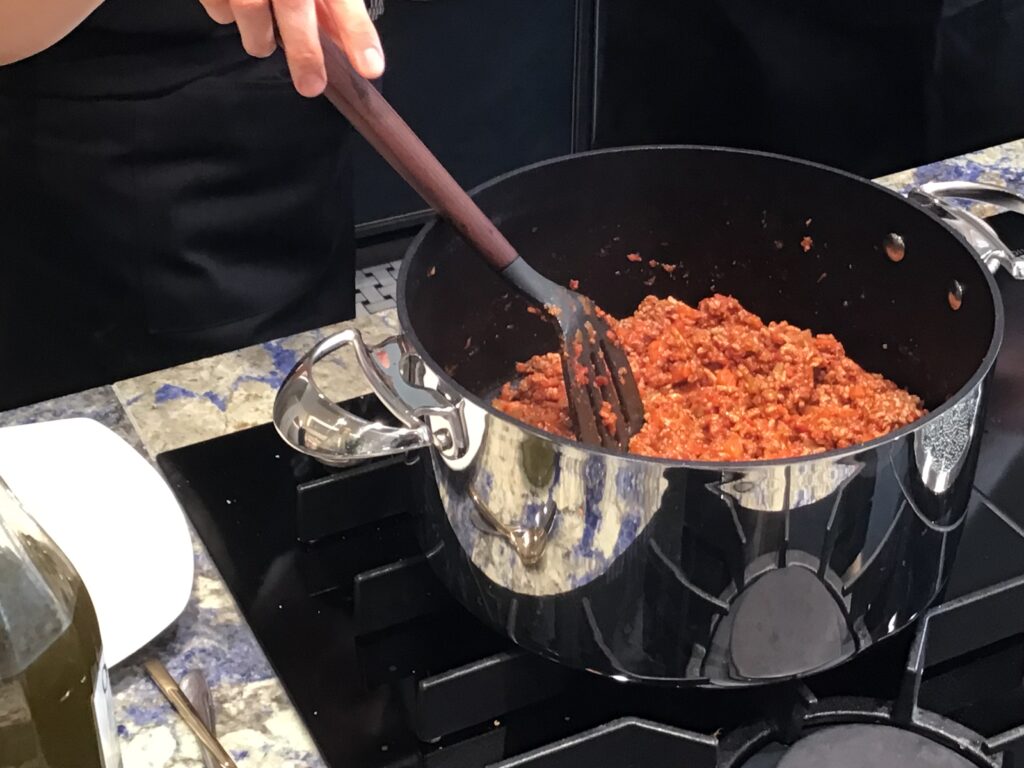
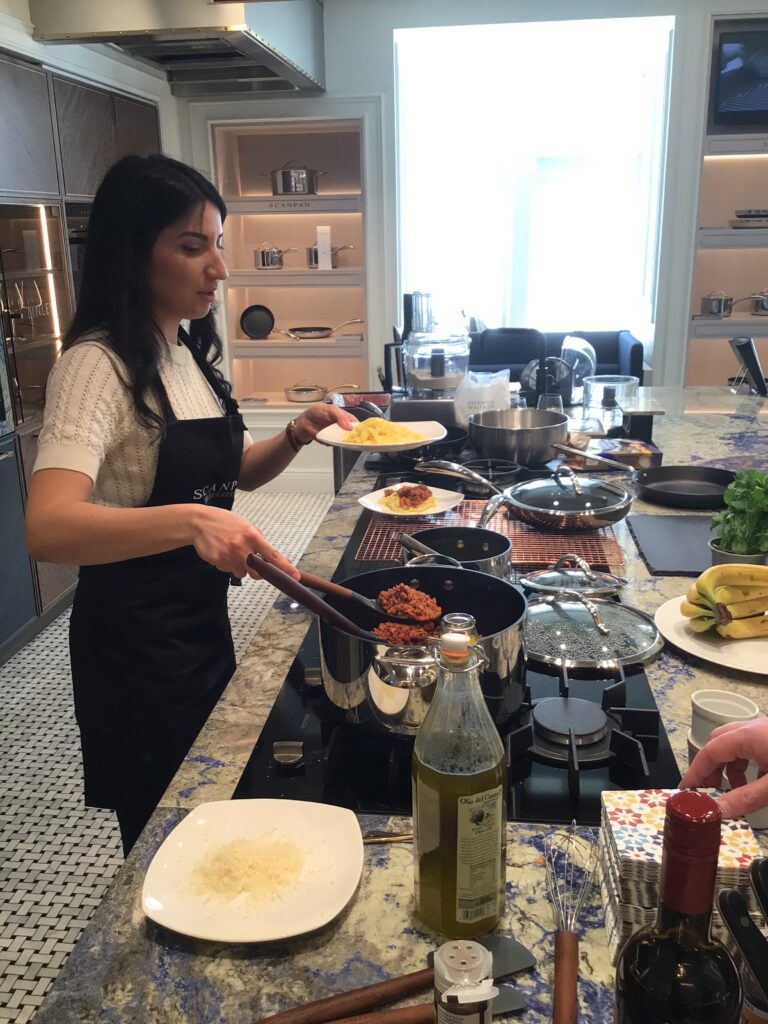






I thought I might feel nervous, but instead I felt pure happiness. Meeting so many passionate food lovers in real life, beyond the screen, was unforgettable. It reminded me exactly why I love doing what I do, and I hope it’s something I’ll get to do more often in the future.
That day, I cooked three recipes close to my heart — each chosen for a very specific reason — and it’s an experience I’ll never forget. One of those recipes was the very one you’re reading right now! The feedback I received on the day was incredible, and it meant so much to share a little piece of my Italian roots in the Harrods kitchen — and now, in yours too.
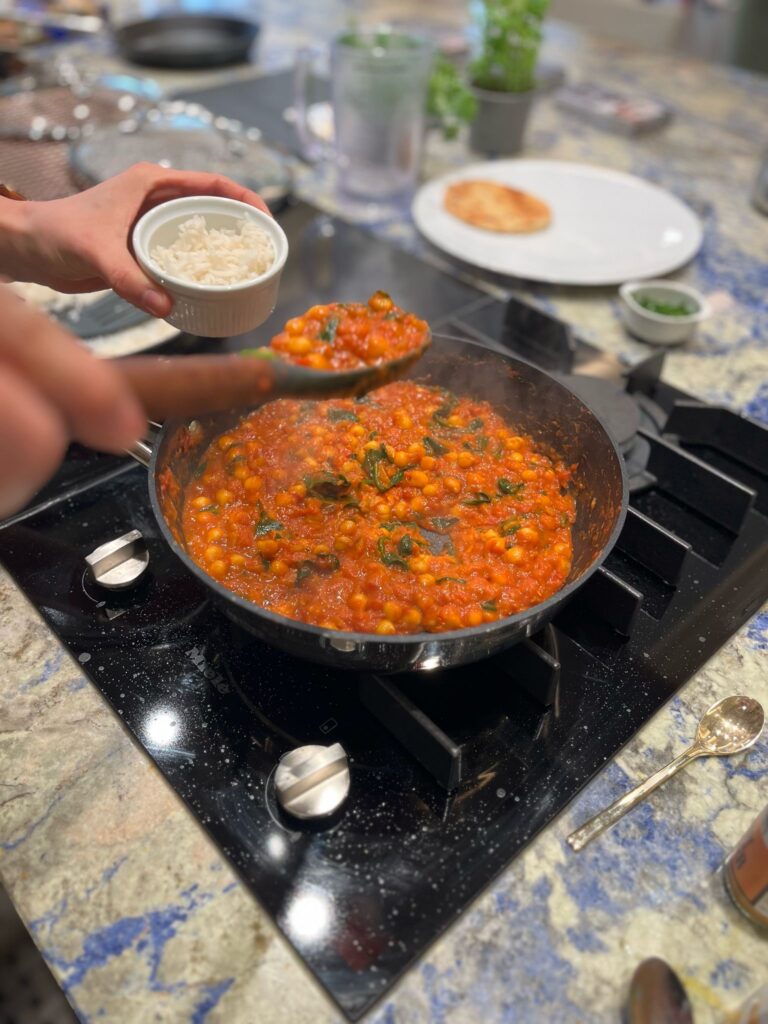
I’d love for you to try the other recipes I made that day too — you can find them here: Healthy 5-Ingredient Chocolate Banana Pancakes and Easy Chickpea Curry (1 Pan, Vegan & Creamy).
If you’d like to check out the pans I use every day in my kitchen and that I used at my live cooking at Harrods, you can get 20% off at ScanpanUK with the code FLOFLO at checkout.
Step-By-Step Instructions

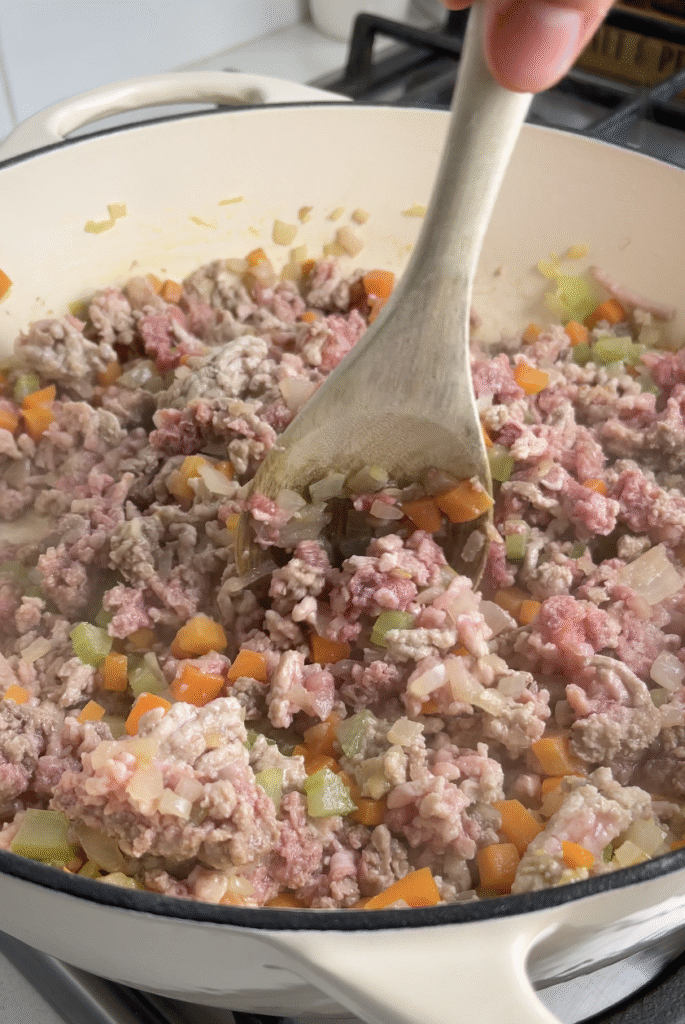
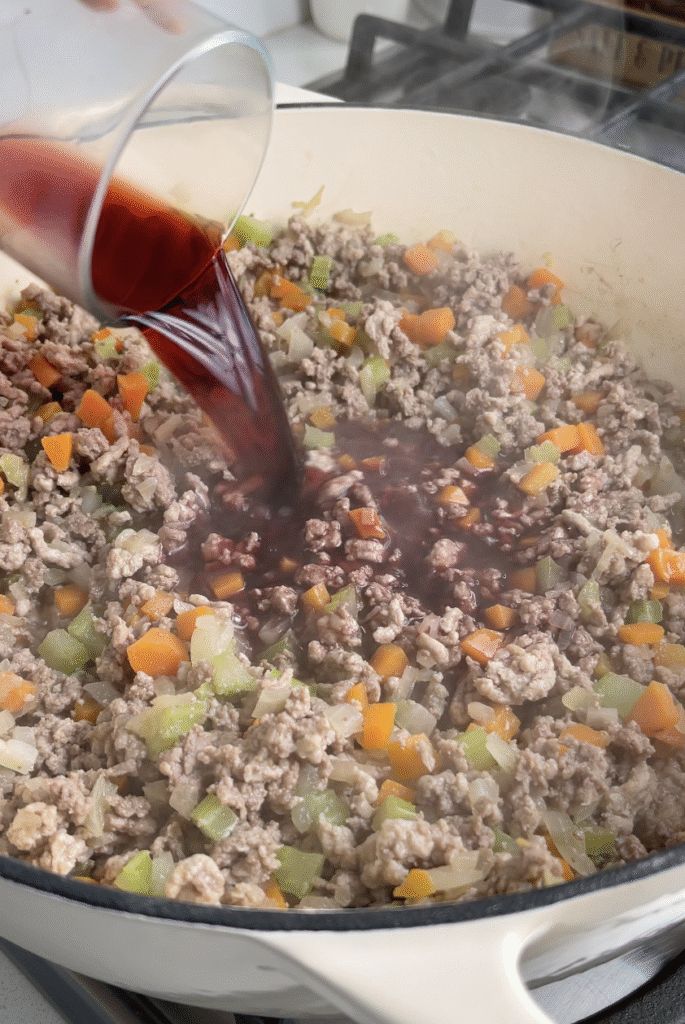
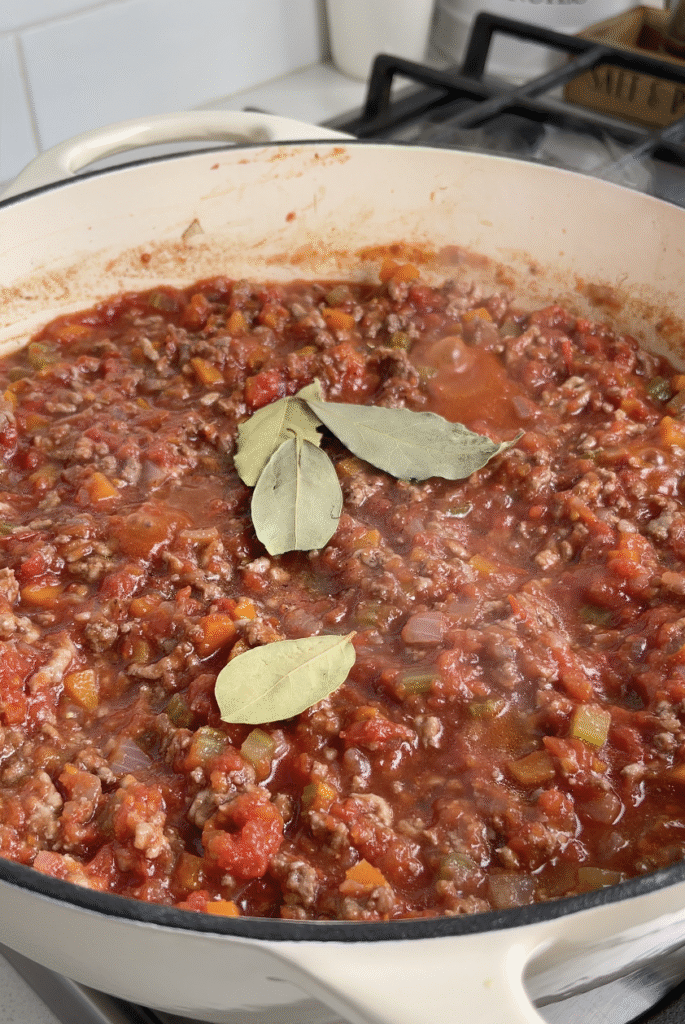
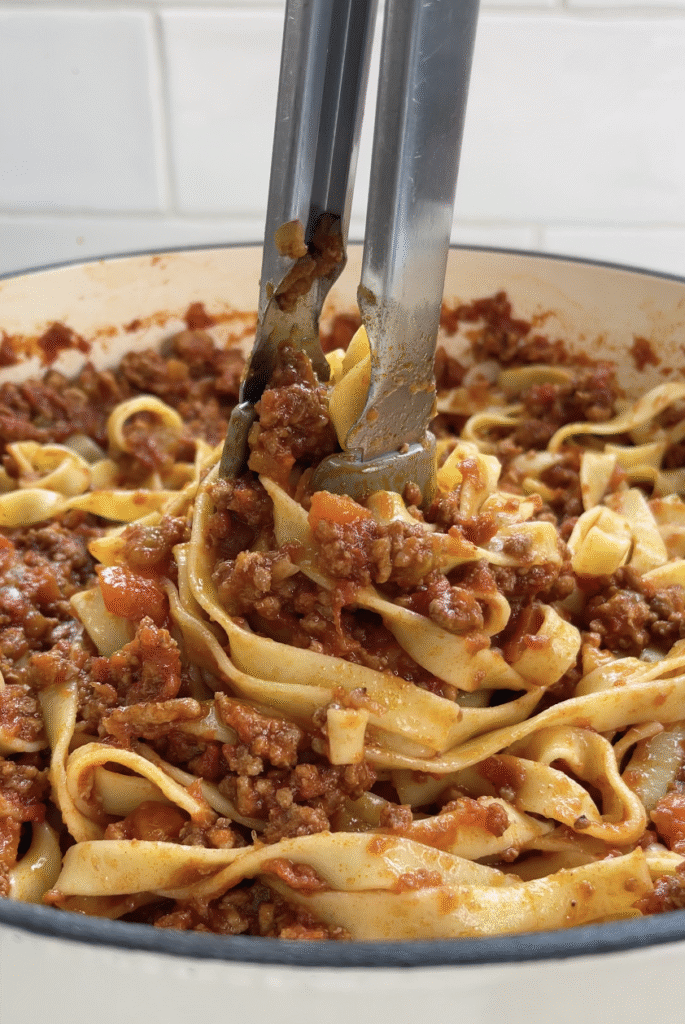
Step 1 – Sauté onion, carrot, and celery until soft. Step 2 – Add minced meat and cook until browned. Step 3 – Pour in red wine and let it reduce. Step 5 – Stir in chopped tomatoes, nutmeg and bay leaves. Step 7 – Toss the sauce with pasta and serve
Tips
- Traditional Bolognese uses a mix of beef and pork. Choose high-quality ground beef (ideally 80% lean) and ground pork for the best flavour. .
- The base of any good Bolognese is the soffritto (a mix of finely chopped onion, carrot, and celery). Don’t rush this step—cook it slowly in olive oil or butter until it’s soft and fragrant.
- Bolognese is not a tomato-heavy sauce. Use a small amount of tomato sauce to give it just a touch of richness. The focus should be on the meat and the slow-cooked flavours, with tomatoes as a subtle background note.
- Bolognese is all about patience. After adding wine, stock, and any tomato paste, let the sauce simmer on low heat for at least 2 to 3 hours. Stir it occasionally and adjust the liquid (stock or wine) to ensure the sauce doesn’t dry out. This long cooking time allows the flavours to meld beautifully.
- Use a dry white wine (or red, depending on your preference) to deglaze the pan after browning the meat. This adds depth and a lovely richness to the sauce.
- Season gradually with salt, pepper, and a pinch of nutmeg (a traditional addition). Always taste and adjust as you go—simmering can reduce the flavour, so a final seasoning check is essential.
- If you have time, let your Bolognese sauce rest for a few hours (or even overnight). This allows the flavours to develop and marry fully. Reheat it gently before serving.
- Traditional Bolognese is served with tagliatelle not spaghetti!
- Bolognese is always finished with a generous sprinkle of freshly grated Parmigiano-Reggiano or Grana Padano for an extra layer of richness and flavour and a drizzle of good quality extra-virgin olive oil.
Swaps
Meat: if you are looking for a vegetarian version of this dish try Sugo Finto (Tuscan Vegetable “Fake” Sauce)
Tagliatelle: the traditional ragù is traditionally paired with tagliatelle but you can add to any pasta of your choice.
Add-Ons
Herbs: While the specific herbs can vary, bay leaves, thyme, oregano, and sometimes rosemary are common additions. A sprig of fresh rosemary can add a lovely aromatic touch, though it’s usually removed before serving.
Sausage and bacon (or pancetta) are great additions to Bolognese, adding depth and richness to the sauce.
Storage
Fridge: let it cool completely before storing it in an airtight container. It can be kept in the fridge for 3–4 days.
Freezer: If you want to store it for a longer period, you can freeze it for up to 3 months. When reheating, add a little water or stock if the sauce has thickened too much during storage. It makes the best make ahead meal to feed a crowd!
More recipes with Minced Meat

Authentic Bolognese Ragù
Video
Ingredients
- 300 g pork mince
- 200 g beef mince
- 800 g chopped tomatoes, from a can, I used 2x cans of Mutti
- 1 small yellow onion, sliced finely
- 1 celery stick, chopped in small cubes
- 1 carrot, chopped in small cubes
- 75 ml red wine
- bay leaves
- nutmeg
- salt
Instructions
- In a large sauce pan add a drizzle of oil then add the vegetables. Cook until the vegetables are translucent.
- Add the mince. Brake it down and cook until the meat goes from pink to “white”.
- Add the wine and let evaporate, it should take only a few minutes.
- Add the tomato sauce and seasoning: grated nutmeg, salt, pepper and the bay leaves.
- Cook for 2 hours on a small flame and with the lid on: make sure you stir regularly, don’t leave the pan unattended for long periods of time. The wait will be worth it.
- If necessary add some hot water if it dries too much.
- Once ready, serve with tagliatelle (not spaghetti).
- Must topping: grated Parmesan cheese and a good quality extra virgin olive oil. These are not really optional if you want to experience the real Italian ragù.
Notes
- Makes 4 generous portions and tastes even better the next day – perfect for batch cooking
- Ragù needs patience — slow cook for 2–3 hours to develop the rich flavour
- A splash of wine (red or white) adds depth; choose a simple bottle, as the alcohol evaporates during cooking
- Use good-quality ingredients like Italian tomato sauce, Parmesan cheese, and extra virgin olive oil for the best results
-
Variations to try once you’ve mastered the base:
- Swap pork mince for Italian pork sausages for extra flavour
- Add ½ glass of milk to mellow and sweeten the tomato base
- Add fresh herbs such as rosemary for an aromatic twist
- Perfect served with tagliatelle for a traditional Emilia-Romagna touch or layered into lasagne